The Convenience Gap: Where Organizations Can Bring Everyday Communication Back Inside the Stack
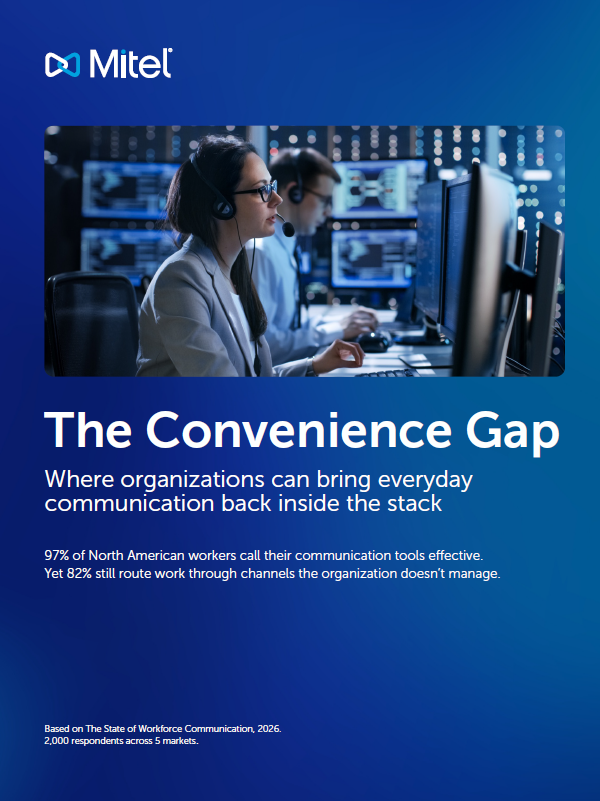
97% of North American workers rate their tools effective, yet 82% use unmanaged channels. Learn what drives the convenience gap.
Get instant access to the asset by clicking the button below
DownloadFor years, North American IT and communications leaders have worked to a clear mandate: modernize the stack, keep workers productive, and protect the organization along the way. By the measures workers care about, they have delivered. 97% of workers call their communication tools effective, and 80% find communication policies clear.
However, the same workers post the highest shadow IT rate in the study.
This briefing draws on The State of Workforce Communication, a study of 2,000 respondents across five markets, to explain the convenience gap and show where organizations can bring everyday communication back inside the stack.
What's inside:
- Satisfied workers, busy side channels. 82% of North American workers use non-approved channels for work, the highest rate of any market studied.
- The shadow stack lives on personal phones. 58% make personal calls for work, and 52% of AI users mix in public or free tools.
- IT leaders see the gap clearly. They rate the need for security improvement 28 points higher than workers do, a self-awareness that positions them to act.
- 81% turn to voice when speed matters. Workers describe heavy work phones, desk-bound handsets, and dropped calls in dead zones.
Download the briefing to learn what drives the convenience gap in North America and how to make approved communication the fastest path on the device workers are already carrying.
Findings drawn from The State of Workforce Communication, a study of 2,000 IT decisionmakers, desk workers, and frontline workers across the US, Canada, UK, Germany, and France, conducted by Vanson Bourne on behalf of Mitel (2026).